
Gentle Intuitive Eating Nutrition Counseling
to care for your relationship with food and body.
A steadier, sustainable way to relate to food.
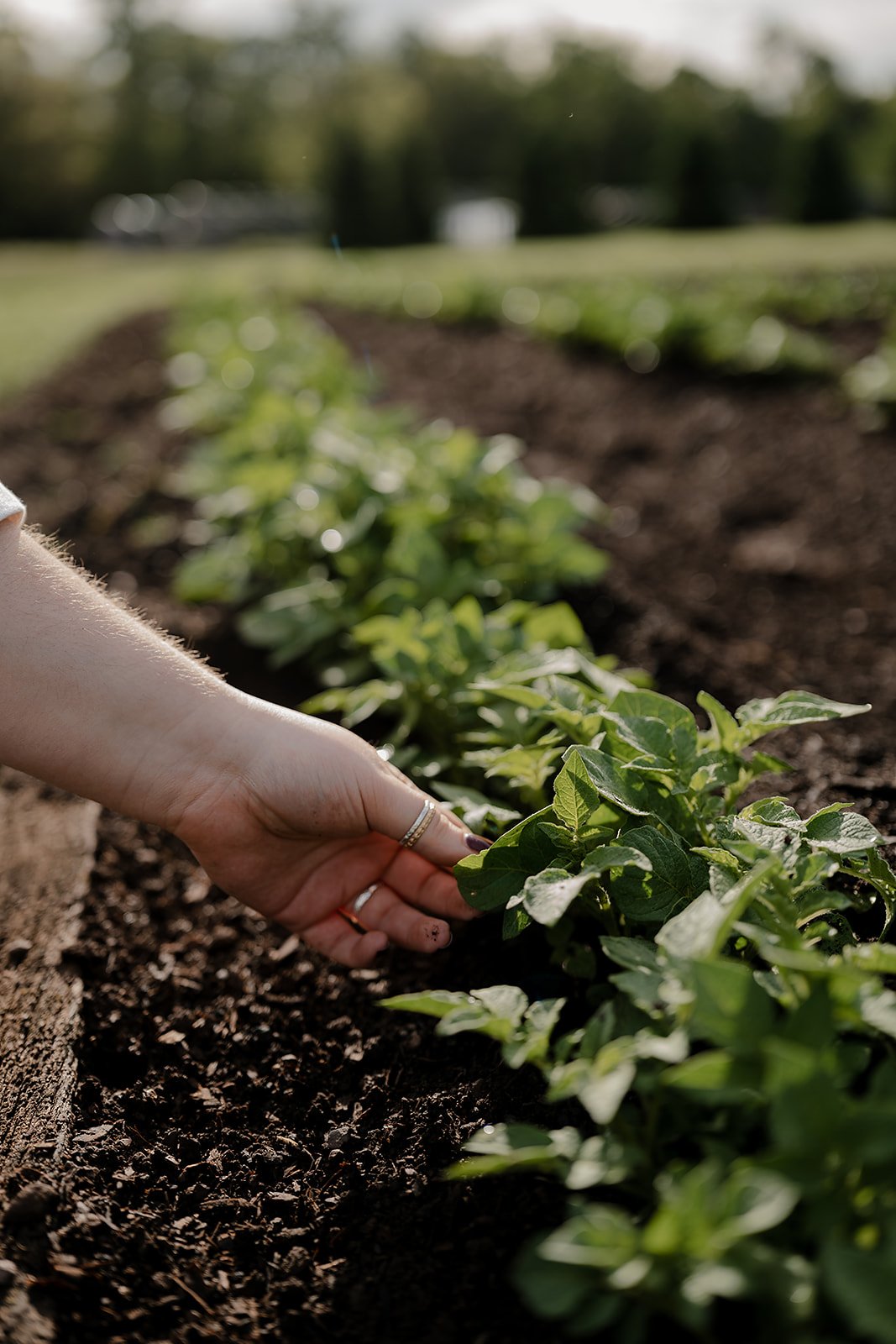
Most people who find their way to intuitive eating are not starting from a neutral place with food.
You may know a lot about nutrition and still feel unsure how to eat without rules. You might swing between trying to be “on track” and feeling overwhelmed, numb, or fed up. Some days food barely registers. Other days it takes up a lot of mental space.
It’s common to assume this means you’re doing something wrong, or that you just haven’t found the right approach yet. But much of mainstream nutrition advice is built on assumptions that don’t hold true for many bodies or lives. Clear hunger cues. Predictable schedules. A nervous system that isn’t under constant strain.
When eating advice doesn’t account for stress, history, or past harm around food, it can quietly deepen disconnection.
Intuitive eating care begins from a different place. Not fixing you, but getting curious about what your body has been responding to all along.
This care may be supportive if you’re navigating
eating feels mentally exhausting or emotionally charged
you move between restriction and overwhelm around food
hunger and fullness feel unreliable or confusing
you’re recovering from disordered eating or long term dieting
body image distress affects how or when you eat
stress or health conditions complicate nourishment
Why intuitive eating often needs guidance

For many people, being told to “just listen to your body” feels confusing or even unsafe. If you’ve spent years dieting, managing symptoms, or overriding your needs to get through the day, internal cues may feel inconsistent or hard to trust.
Working with a registered dietitian trained in intuitive eating offers support where things often get stuck.
Together, we can:
Create steadier nourishment when hunger cues are quiet or unpredictable
Use structure as a support rather than a source of control
Address medical, hormonal, or digestive needs without defaulting to restriction
Ground decisions in evidence instead of wellness trends or fear based messaging
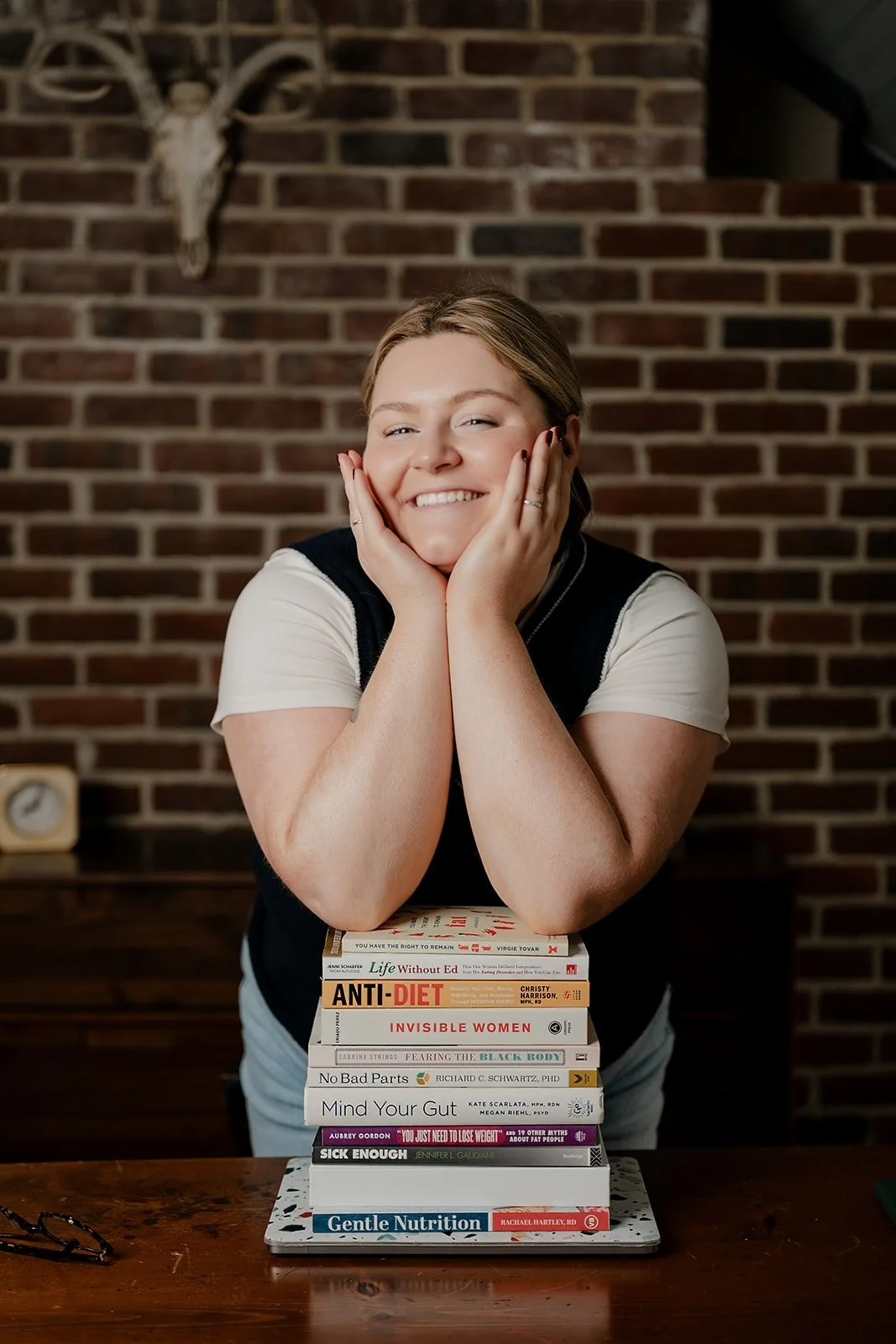
WHO YOU’LL BE SITTING WITH
Hi, I’m Alison
I’m Alison Swiggard, MS, RDN, LD, a non-diet registered dietitian and eating disorder dietitian. I believe nutrition counseling should feel like a place where you can exhale.
I especially love supporting adults who feel like traditional nutrition advice has never quite fit, including people navigating eating disorder recovery, disordered eating, body image distress, ADHD, anxiety around food, chronic dieting, or a long history of feeling “too much” or “not enough” in their bodies.
The goal is not perfect eating. It’s building enough trust and consistency that food takes up less space in your life.
Intuitive Eating Support at In Good Company Nutrition

Finding steadiness with food
When eating feels inconsistent, external supports can be grounding. We look at ways to support regular nourishment without turning it into another rigid system.
The nervous system and eating
Stress and safety play a powerful role in appetite, digestion, and food choices. Nutrition care here includes understanding your nervous system, not ignoring it.
Body image and internalized beliefs
Food struggles are often intertwined with how you’ve learned to see your body. We make space to unpack shame, challenge inherited narratives, and move toward neutrality.
Practical nourishment that fits your life
This is not about perfect meals. It’s about accessible options, flexibility, and redefining what “enough” can look like on different days.
Care through a weight inclusive framework
Weight is not used as a marker of health or progress. Bodies are diverse, adaptive, and shaped by many factors beyond food. If weight focused care has caused harm in the past, this space is intentionally different.
What intuitive eating actually means
Intuitive eating is an evidence based, non diet approach to nutrition that focuses on rebuilding trust with your body over time. It moves away from external rules and toward attunement, flexibility, and respect. That does not mean eating without support or structure. It means shifting where guidance comes from and how it is used.
This work may involve:
exploring hunger, fullness, and satisfaction without pressure to perform them correctly
understanding how stress, trauma, or medical factors shape appetite and digestion
untangling food rules and beliefs that no longer serve you
building nourishment patterns that are realistic, supportive, and adaptable
Frequently Asked Questions
-
That is very common, especially if you have a history of dieting, disordered eating, chronic stress, or medical conditions. Intuitive eating does not require perfect hunger and fullness cues. We often use external supports and structure while rebuilding internal awareness over time.
-
Yes. This is not a hands off approach. Structure can be supportive and grounding when it is used intentionally rather than rigidly. We work together to find forms of guidance that help you eat more consistently without recreating food rules.
-
There is no set timeline. For many people, this work unfolds gradually. The pace is shaped by your history, current stressors, and what feels sustainable.
You’re in good company.
You don’t have to keep trying to solve your relationship with food alone. If you’re tired of rules, shame, and starting over, there’s another way to be supported. Schedule a free 15-minute consultation to talk through what you’re looking for and learn more about working together.